

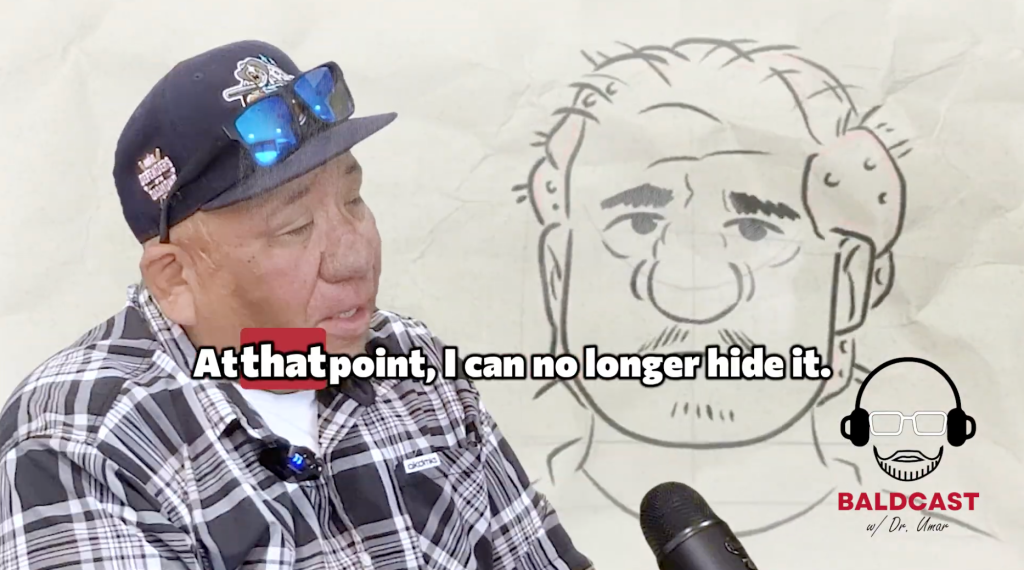
Robert remembers the moment hiding stopped working. At first, the bumps lived quietly at the back of his scalp. A hat could cover them. A hoodie could shield them. Life kept moving.
But cicatricial folliculitis, often called AKN, has a way of pushing forward. Soon the bumps began spreading to the sides of his head. What had once been hidden started showing. And the simple act of walking into a room began to feel different.
People looked longer.
Questions hovered in the air.
For Robert, the struggle was not just physical. It was deeply social.

The Quiet Ways AKN Changes a Life
At first, Robert tried to manage the condition the way many patients do. He covered it. He adjusted his hair. He avoided certain angles in mirrors.
But when hiding was no longer possible, another coping strategy slowly appeared.
Distance.
Robert began stepping back from social situations. Less eye contact. Fewer conversations. Fewer places where strangers might ask uncomfortable questions.
It was not a weakness. It was survival.
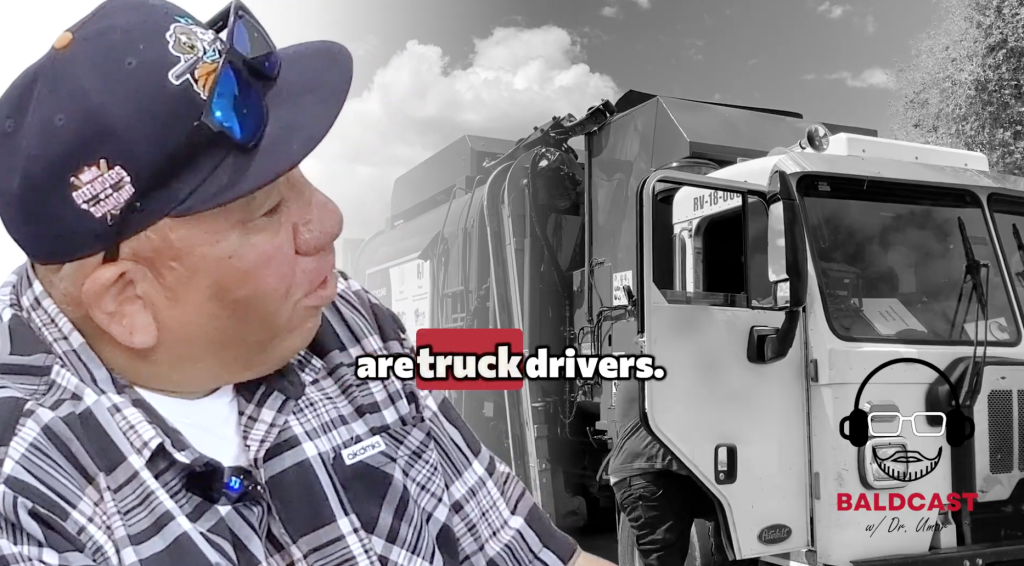
Many people living with AKN describe the same shift. Without formal statistics, there is still a visible pattern. Some choose careers that limit daily interaction with the public. Truck driving is one example that surfaces often in patient stories.
The open road asks fewer questions.

A Degree… and a Different Direction
Robert had earned a bachelor’s degree. He had options.
But confidence can quietly reshape those options.
Feeling constantly judged changed how he viewed workplaces, interviews, and new environments. The pressure of explaining his scalp condition to strangers became exhausting.
So he chose the road.
Driving a truck gave him something valuable: space.
Less scrutiny. Fewer conversations about his scalp. A life where he could move through the world without constantly feeling examined.
He once described it simply.
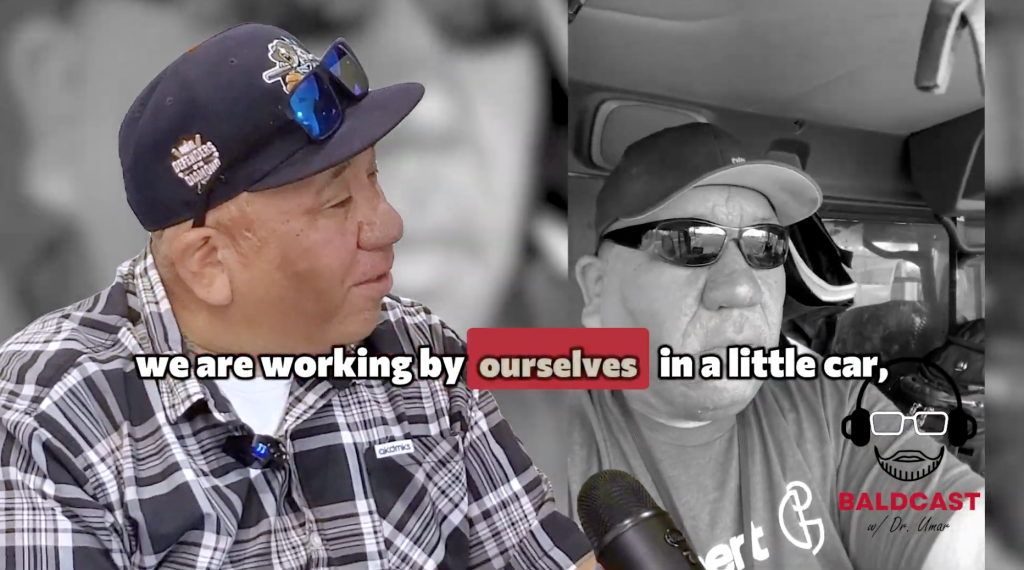
“I’m just me on the road.”
For many AKN patients, that sentence carries weight.
It is acceptance, but it is also a quiet hope that life might someday feel different.
The Turning Point
Every hero story has a moment when possibility returns.
For Robert, that moment arrived when he discovered Dr. Sanusi Umar, known to many patients as The Bumpinator.
Instead of dismissal or quick fixes, he found something rare in medicine.
Someone who listened.
Someone who had spent years studying this exact condition. Someone who approached AKN not just as a disease, but as a problem worth solving.
The path forward required courage. Treatment decisions. Patience.
But for the first time in years, Robert was not managing the condition alone.
The Road Back to Confidence
Healing is rarely a single moment.
It unfolds step by step. Evidence guided care. Careful treatment. Honest expectations.
For Robert, the journey was about more than the bumps on his scalp. It was about reclaiming confidence that had quietly slipped away over the years.
The road he once drove to avoid attention began to feel different.
Because when healing begins, something powerful returns.
Choice.
And the freedom to imagine a life not shaped by fear of being seen.
Watch Robert’s Story
🎥 Watch the third chapter of Robert’s transformation here:

• Also available on Instagram and TikTok
Take the Next Step
If you or someone you know is struggling with Acne Keloidalis Nuchae (AKN) or Folliculitis Decalvans (FD), don’t wait. Early intervention and expert care can change lives.
Fill out our free online consultation form to have your case personally reviewed by Dr. Sanusi Umar.
Individual results may vary. This story reflects one patient’s personal experience and treatment with Dr. Umar. Consult with a qualified physician for personalized advice.