
Posterior scalp scarring disorder treatment reached a defining moment today.
It was John’s surgery day.
Inside the clinic, the surgical team moved with calm focus. Every step was deliberate. Every preparation had been carefully planned.
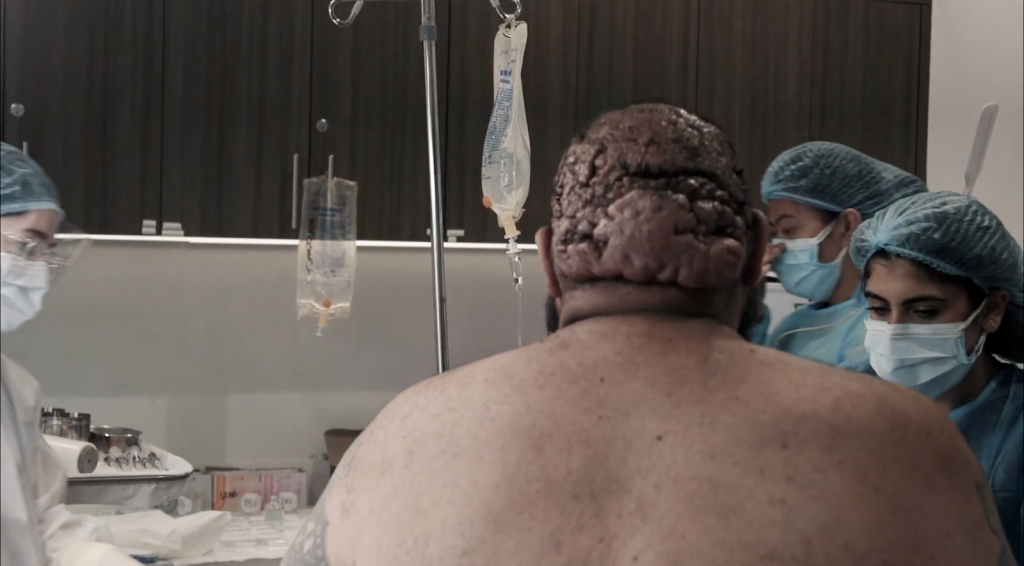
For years, John had lived with painful scalp disease that caused recurring bumps, inflammation, and scarring across the back of his head. Now the team, led by Dr. Sanusi Umar, was preparing to address the condition at its source.
This moment had been a long time coming.
John’s preparation for surgery involved months of careful planning to help manage the complications created by his complex scalp disorders. The goal today was not only to remove the visible lesions but also to calm the inflammation beneath the skin.
Healing requires more than removing what can be seen.
It requires restoring the health of the scalp itself.
Treating Two Scalp Conditions at the Same Time
John’s case involved more than one condition.The painful bumps along the back of his hairline were caused by Acne Keloidalis Nuchae, a chronic inflammatory disease that can lead to scarring and thickened skin.
At the same time, other areas of his scalp showed signs of Dissecting Cellulitis, a nodulocystic condition that creates painful swelling beneath the skin.
Many treatments approach these conditions separately.
But John’s surgical plan was designed differently.
Instead of addressing one condition while leaving the other untreated, the procedure would target both sources of chronic follicular inflammation during the same surgical approach.
For patients with overlapping scalp disorders, this strategy can help address the connected patterns of inflammation and scarring that affect neighboring areas of skin.
It’s a more comprehensive path toward restoring scalp health.
Harnessing the Body’s Own Healing Power
Another important element of John’s procedure involved regenerative support for healing.
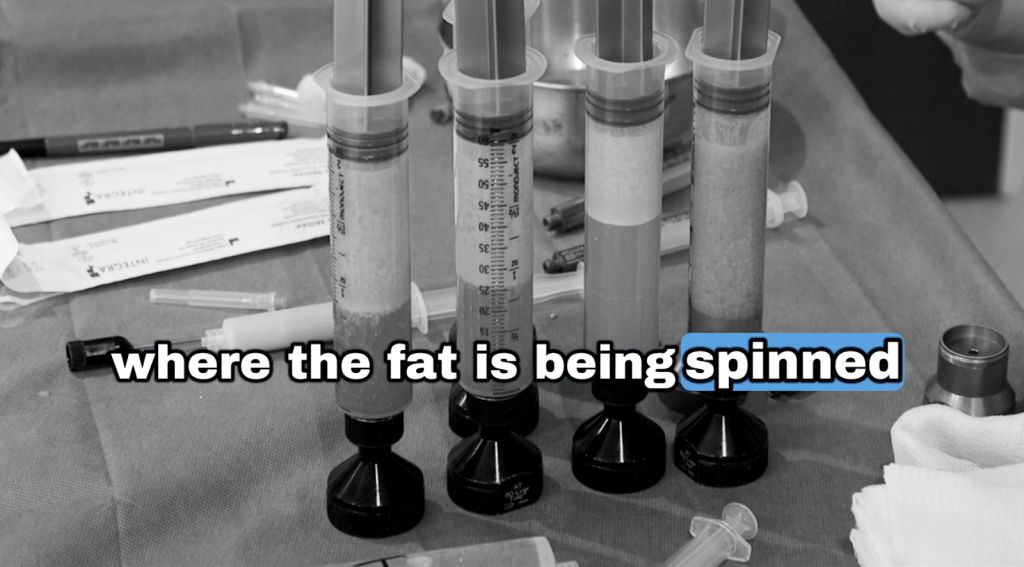
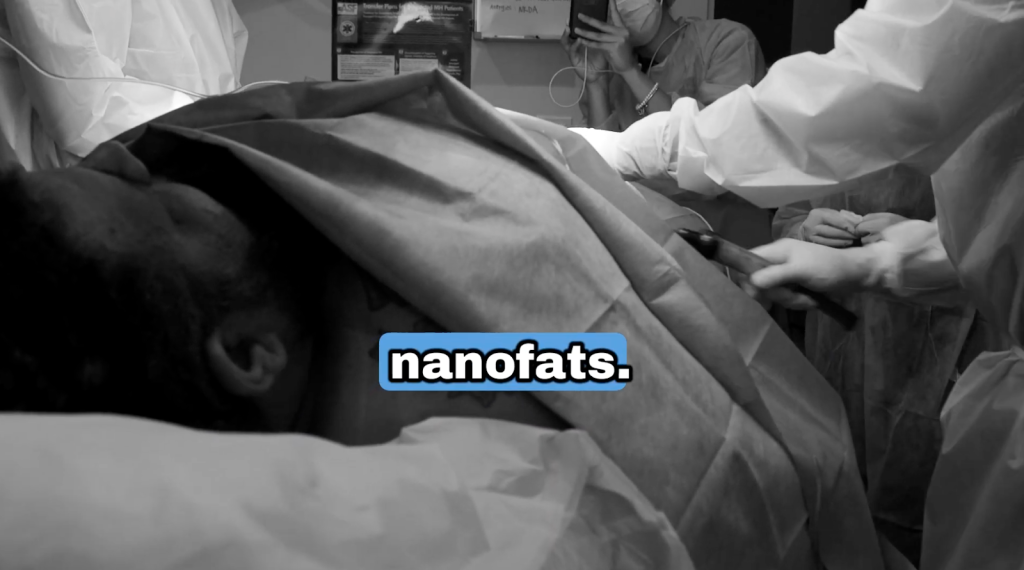
During the surgery, fat would be gently harvested from John’s abdomen. The fat would then be processed through specialized techniques that include spinning and filtering, creating what physicians call Nanofat grafting.
This process separates and releases regenerative cells naturally present within fat tissue.
Those cells can then be carefully injected into areas of damaged scalp.
Scientific research has shown that these regenerative cells may support tissue repair and help improve the environment for healing after surgery.
For John, the goal was to give his scalp the best possible chance to recover and rebuild healthy tissue after the diseased areas were removed.
Because this surgery was about more than removing lesions.
It was about creating the conditions for a healthier future.
For medical details of this case, visit dru.com.
Watch John’s Story
🎥 Watch the first part of the eleventh chapter of John’s transformation here:
• Also available on Instagram and TikTok
Take the Next Step
If you or someone you know is struggling with Folliculitis Decalvans (FD), don’t wait. Early intervention and expert care can change lives.
Fill out our free online consultation form to have your case personally reviewed by Dr. Sanusi Umar.
Individual results may vary. This story reflects one patient’s personal experience with Folliculitis Decalvans (FD) and treatment with Dr. Umar. Consult with a qualified physician for personalized advice.
