
Severe hairline bumps from chronic folliculitis often begin quietly before becoming more noticeable over time.
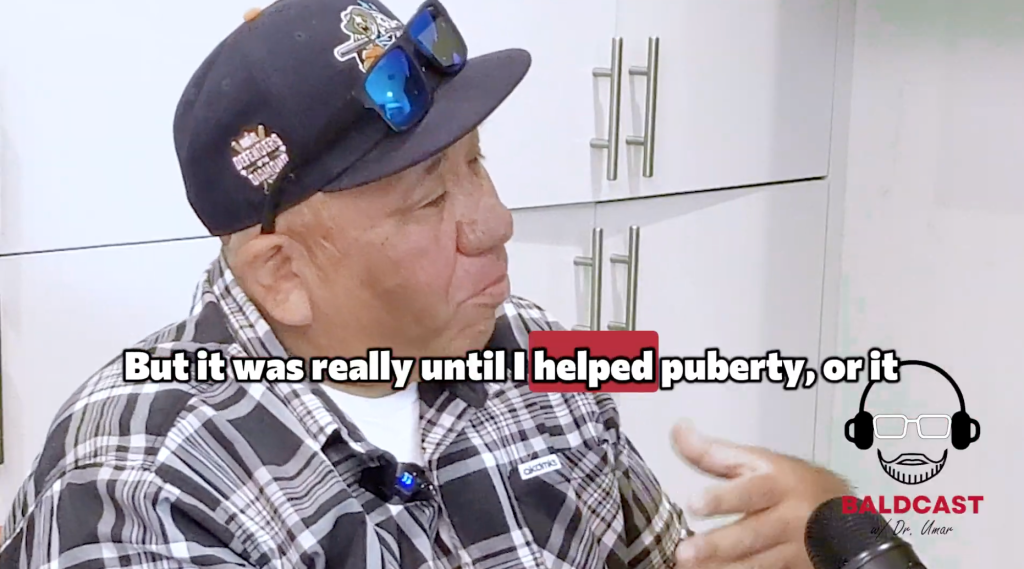
During his conversation on The BaldCast, Robert Peeters explained that his struggle with Folliculitis Keloidalis Nuchae began in early childhood. At first, the symptoms were relatively subtle and easier to hide from others.
As he entered adolescence, however, the condition started to flare more aggressively.
AKN typically begins along the back of the neck, an area known medically as the nape. Over time, the inflammation can spread upward toward the scalp. The ongoing irritation causes swelling, firm bumps, and eventually thickened scar tissue that changes the appearance of the skin.
For Robert, what started as a manageable condition slowly evolved into something far more difficult to control.
Learning to Navigate the Social Impact
Living with visible scalp disease required Robert to find ways to cope both physically and emotionally.
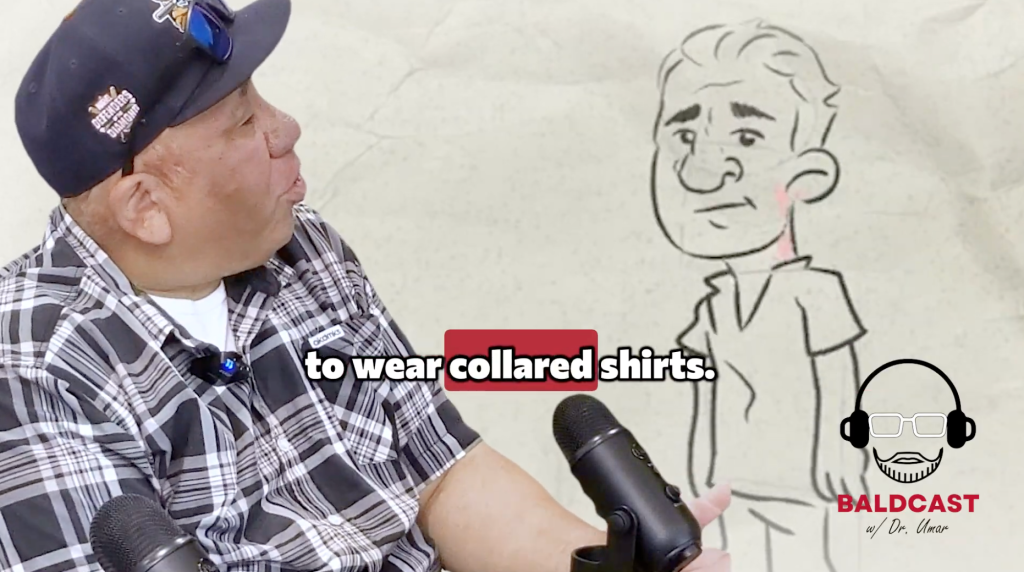
As a teenager, he became increasingly aware of how noticeable the redness and scarring were on the back of his neck. To help hide the early signs of the condition, he began wearing collared shirts that covered the affected area.
As the bumps became more pronounced, Robert started relying on additional coverings such as beanies, hats, and bandanas.
These small adjustments helped him feel more comfortable in public and regain some sense of normalcy.
Many people living with Folliculitis Keloidalis Nuchae develop similar strategies. Chronic scalp disorders do not only affect the skin—they can influence confidence, social interactions, and everyday routines.
Robert’s story highlights how patients often adapt creatively while searching for effective treatment.
Changes in Hair Growth Over Time
As Robert grew older, the condition progressed further up his scalp.
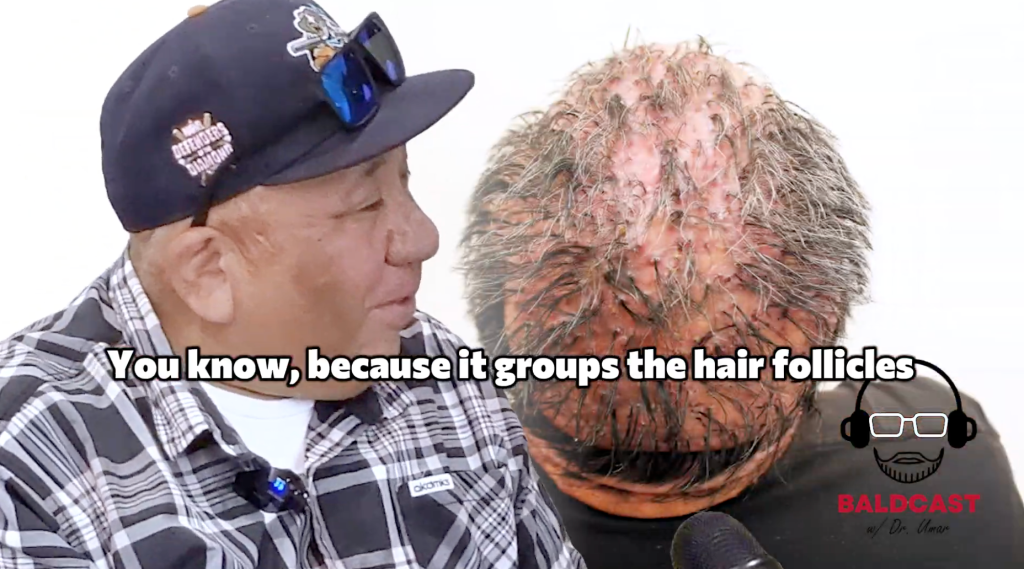
Eventually he began noticing an unusual pattern of hair growth. Instead of individual hairs emerging normally, clusters of hair started growing together in tight groups. Each cluster resembled small “tufts,” similar to the appearance of doll’s hair or hair plugs.
These severe hairline bumps can occur in advanced Folliculitis Keloidalis Nuchae, when chronic inflammation damages the surrounding hair follicles and causes them to merge within scar tissue.
The visible changes to his scalp made Robert increasingly self-conscious, reinforcing his reliance on hats and other coverings.
Years later, his search for answers eventually led him to Dr. Sanusi Umar, often known as the Bumpinator.
Finding a specialist who understood the complexity of his condition marked an important turning point in Robert’s journey toward healing after many years of living with severe scalp disease.
Watch Robert’s Story
🎥 Watch the second chapter of Robert’s transformation here:
Take the Next Step
If you or someone you know is struggling with Acne Keloidalis Nuchae (AKN) or Folliculitis Decalvans (FD), don’t wait. Early intervention and expert care can change lives.
Fill out our free online consultation form to have your case personally reviewed by Dr. Sanusi Umar.
Individual results may vary. This story reflects one patient’s personal experience and treatment with Dr. Umar. Consult with a qualified physician for personalized advice.
