
Some wounds are visible.
Others quietly reshape the way a person moves through the world.
For Robert, severe Acne Keloidalis Nuchae (AKN) did both.
The condition affected his scalp, but over time it also touched his confidence, his relationships, and even the places where he once found peace.
The Struggle
When people see advanced cases of AKN, they often ask how it could have become so severe.
The reality is far more complicated.
Life does not stop when a chronic condition begins. Bills still need to be paid. Jobs still require attention. Insurance must be maintained. Responsibilities continue to pile up.
For Robert, survival often came before treatment.
While he worked to build stability, the chronic inflammation and scarring continued to progress.
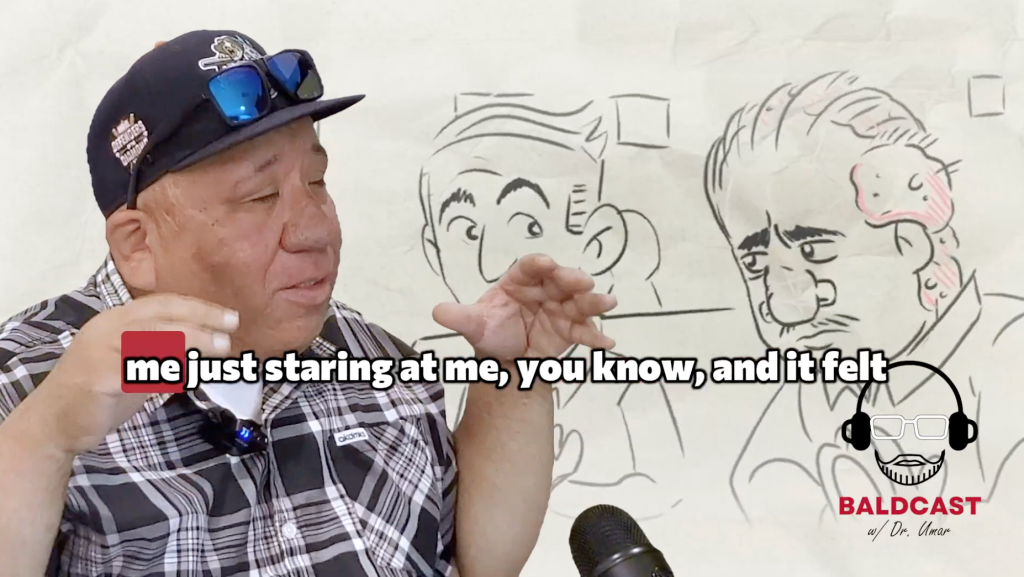
As the condition worsened, so did the feeling that people were constantly watching.
In public spaces, he became increasingly aware of curious glances and lingering stares.
Eventually, that awareness followed him everywhere.
The Turning Point
During his conversations with Dr. U, Robert shared something many patients understand but rarely say out loud.
The hardest part was not always the physical symptoms.
It was what happened inside.
The fear of being judged.
The exhaustion of feeling misunderstood.
The quiet loss of confidence that can happen one interaction at a time.
For years, he carried that burden largely on his own.
Being able to speak openly about those struggles became an important step toward healing.
The Challenge
Job interviews became especially difficult.
Robert worried that people would focus on his appearance before learning who he really was.
The anxiety was so significant that it influenced major life decisions, including the type of career he ultimately pursued.
Many people living with severe AKN face similar emotional challenges.
The condition affects far more than skin and hair follicles. It can shape opportunities, relationships, and the way a person sees their own future.

The Transformation
The impact of AKN reached beyond work.
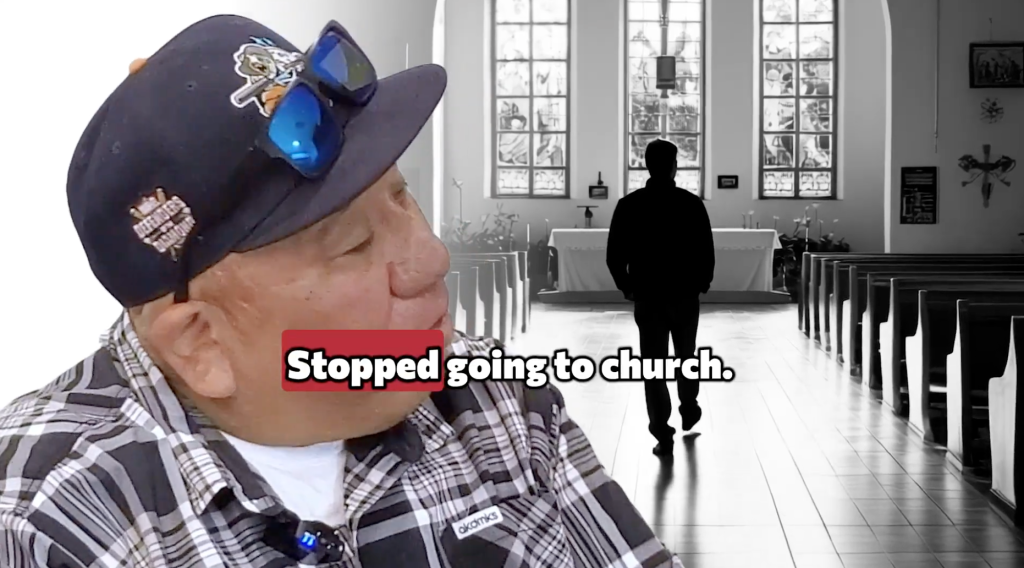
Robert shared that he gradually stopped attending church.
A place that once offered comfort and spiritual connection became another setting where he felt self-conscious and exposed.
For many people, faith communities provide support during difficult seasons of life.
Yet visible medical conditions can sometimes create feelings of isolation, even in spaces meant to offer acceptance.
Dr. U emphasized the importance of treating the whole person, not simply the condition itself.
Compassion, education, and effective medical care can help patients rebuild not only their physical health, but also their sense of belonging.
The Return
Robert’s story is a reminder that healing is often bigger than treatment alone.
It can mean walking back into places you once avoided.
Reconnecting with the people and communities that matter most.
Finding the confidence to be seen again.
And remembering that your condition does not define your worth.
Sometimes the journey back to yourself begins with the courage to believe you still belong.
For medical details of this case, visit dru.com.
Watch Robert’s Story
Watch the next chapter of Robert’s journey and hear, in his own words, how AKN affected both his confidence and his faith.
Take the Next Step
If you or someone you love is living with AKN, seeking expert guidance early can make a meaningful difference. Learn from Robert’s experience, explore the medical details at dru.com, and use dru.com if you would like to learn more about consultation options and treatment pathways.
At The Bumpinator and The BaldCast, every patient is a hero.
Disclaimer: This story reflects one patient’s personal experience and treatment by Dr. Sanusi Umar. Individual results vary. Always consult a qualified physician for personalized advice.
